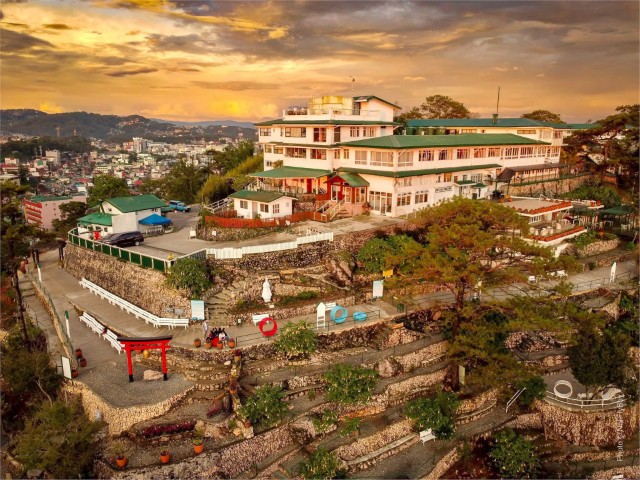
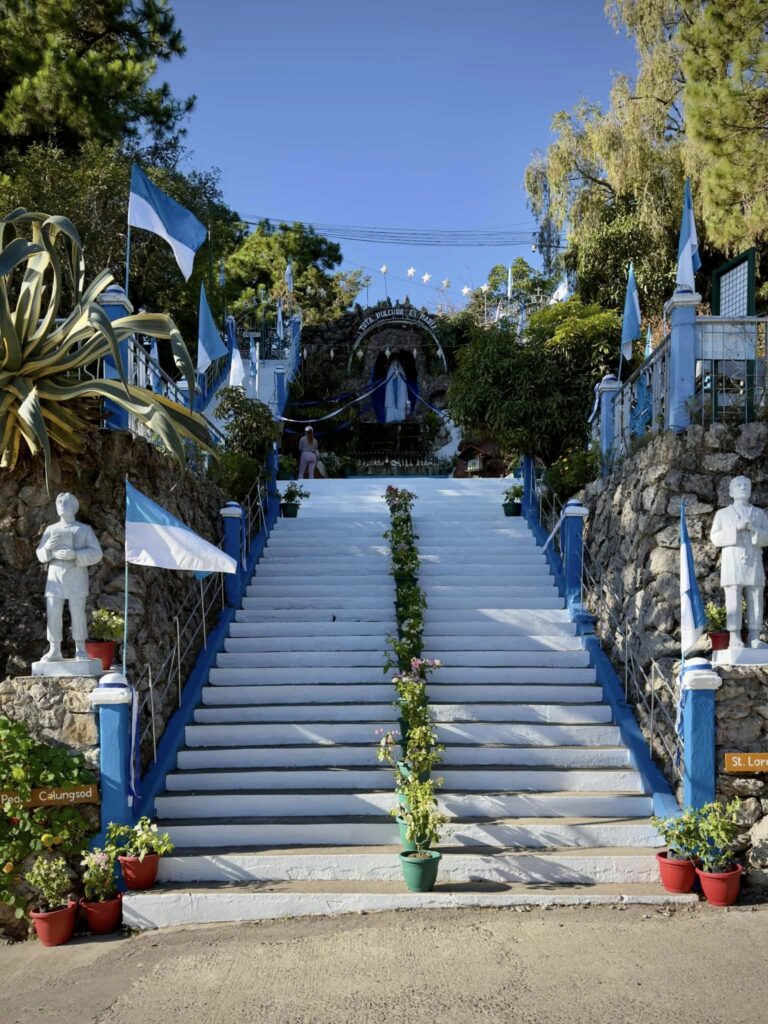
As we celebrate the novena of our Lady of Lourdes (Feb 2-10) leading to her Feastday on Feb 11, Mirador Jesuit Villa Retreat House humbly joins Baguio’s Panagbenga festival.
Blessed Virgin Mary as the “Flower of Humanity”. In Christian tradition, Mary is often compared to a flower in full bloom: “Rosa Mystica” (Mystical Rose), Lily of purity, Flower sprung from the root of Jesse (Isaiah 11:1)
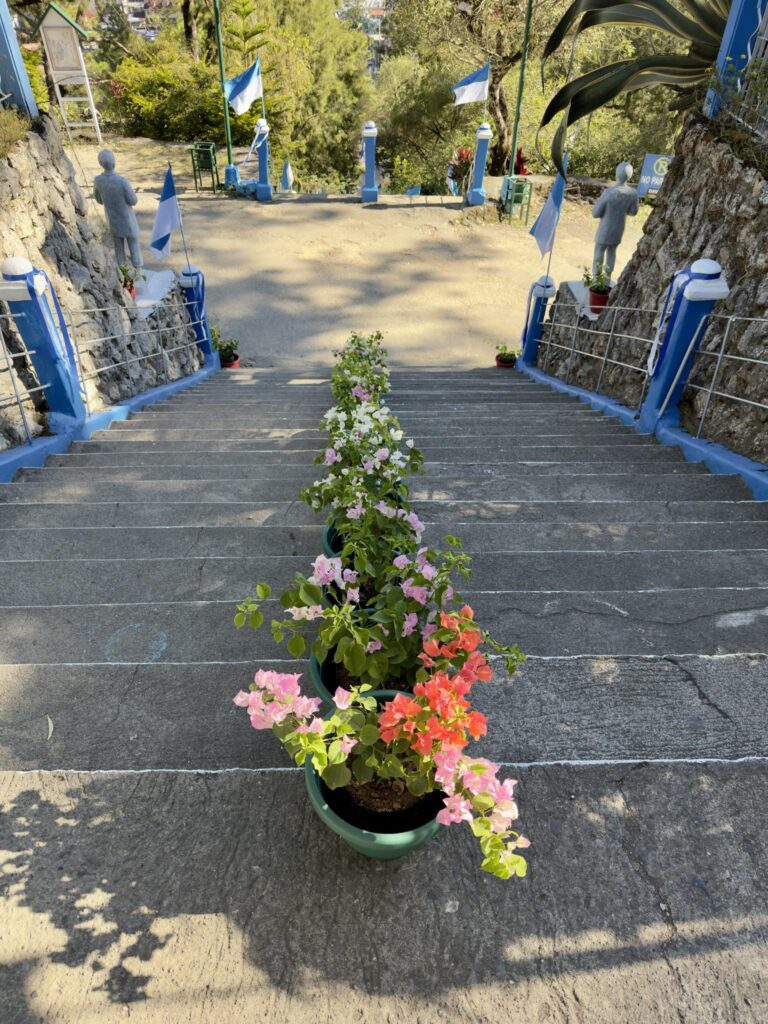
Just as flowers do not bloom by force but by receiving light, water, and time, Mary’s life flowered because of her openness to God’s grace: “Let it be done to me according to your word” (Luke 1:38).
Panagbenga—literally “season of blooming”—mirrors this Marian posture: life rising again after hardship, beauty emerging after suffering.
In Lourdes Grotto Flowers are expressed as Prayer, Not Decoration. In Marian devotion, flowers are more than ornaments: They are wordless prayers; Symbols of gratitude, trust, and offering; Signs of a harmonious relationship with creation
This connects beautifully with Panagbenga floats and floral artistry: when flowers are arranged with care and reverence, they become a kind of liturgical act, echoing Psalm 104—creation praising God by being fully alive.
February Blooming, May Flowering. While May is traditionally the Marian month (with Flores de Mayo), Panagbenga in February can be seen as a prelude:
• February: creation awakens
• May: devotion deepens
• Both proclaim that God delights in beauty that leads to praise
Mary helps us see that beauty is not an end in itself, but a pathway to God.
Panagbenga celebrates the blooming of the land; Marian devotion celebrates the blooming of the heart.
Both teach us that when life is entrusted to God, it flowers—quietly, patiently, and generously.
Mirador congratulates the Baguio Flower Festival Foundation, Inc. (BFFFI) for organizing this annual celebration. Through Mary’s intercession, we pray for God’s blessings upon the organizers and participants!
Photo Credits: Noli Gabilo