The Mirador Heritage & Eco-Spirituality Park is a spiritual-religious-sacred zone for everyone!
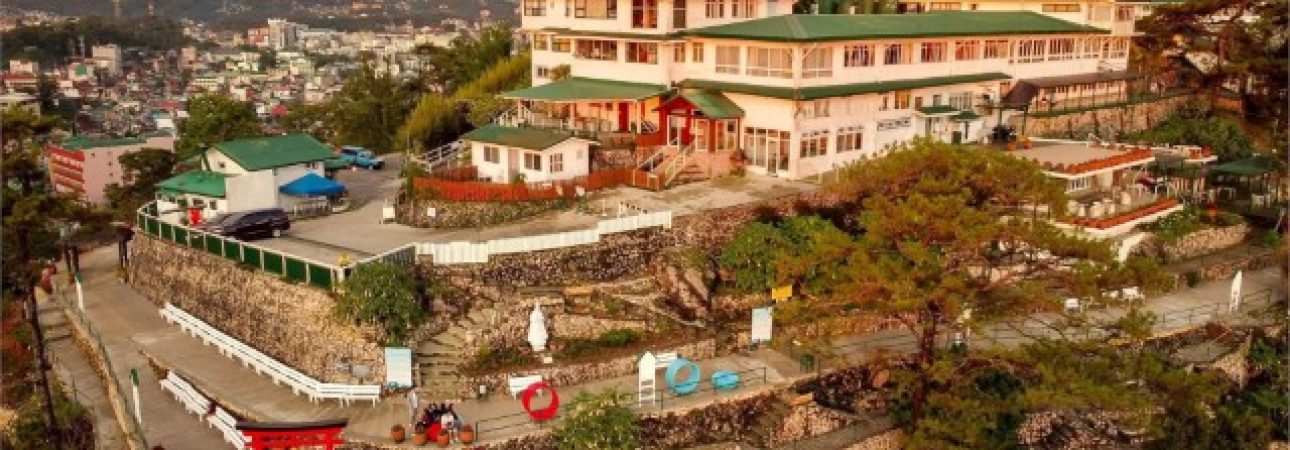
Situated on Mirador Hill beside the historic Mirador Jesuit Villa Retreat House and Lourdes Grotto in Baguio, the park integrates spirituality, ecology, culture, and heritage into one contemplative space. Its spiritual or sacred nature can be understood in several dimensions:
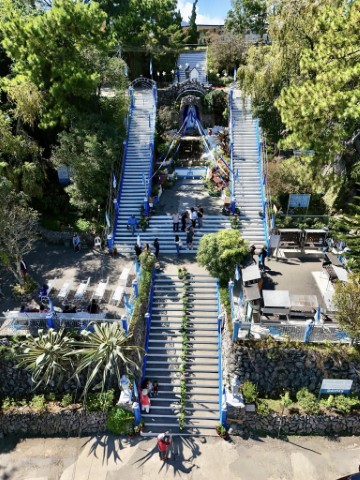
1. A Sanctuary of Prayer and Pilgrimage
The park contains prayer spaces, meditation trails, grottoes, chapels, and silence areas that invite visitors into contemplation. The long-standing Lourdes Grotto within the Mirador Hill complex has served pilgrims since 1913 as a place of Marian devotion and intercession. The environment encourages not merely sightseeing but spiritual reflection and inner conversion.

2. Spirituality Through Creation
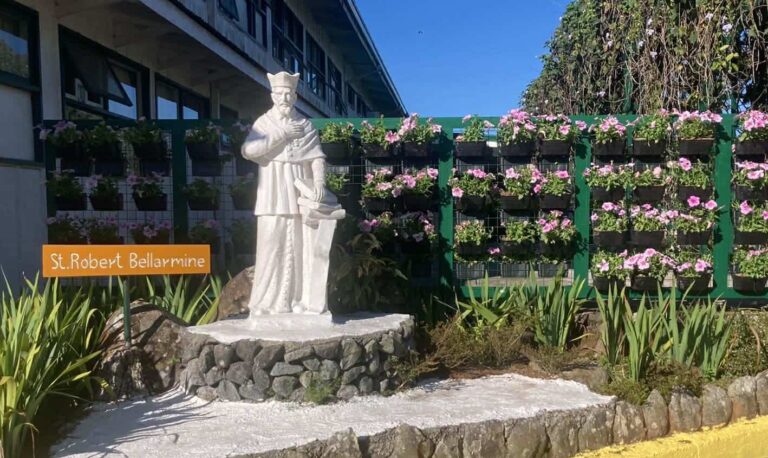
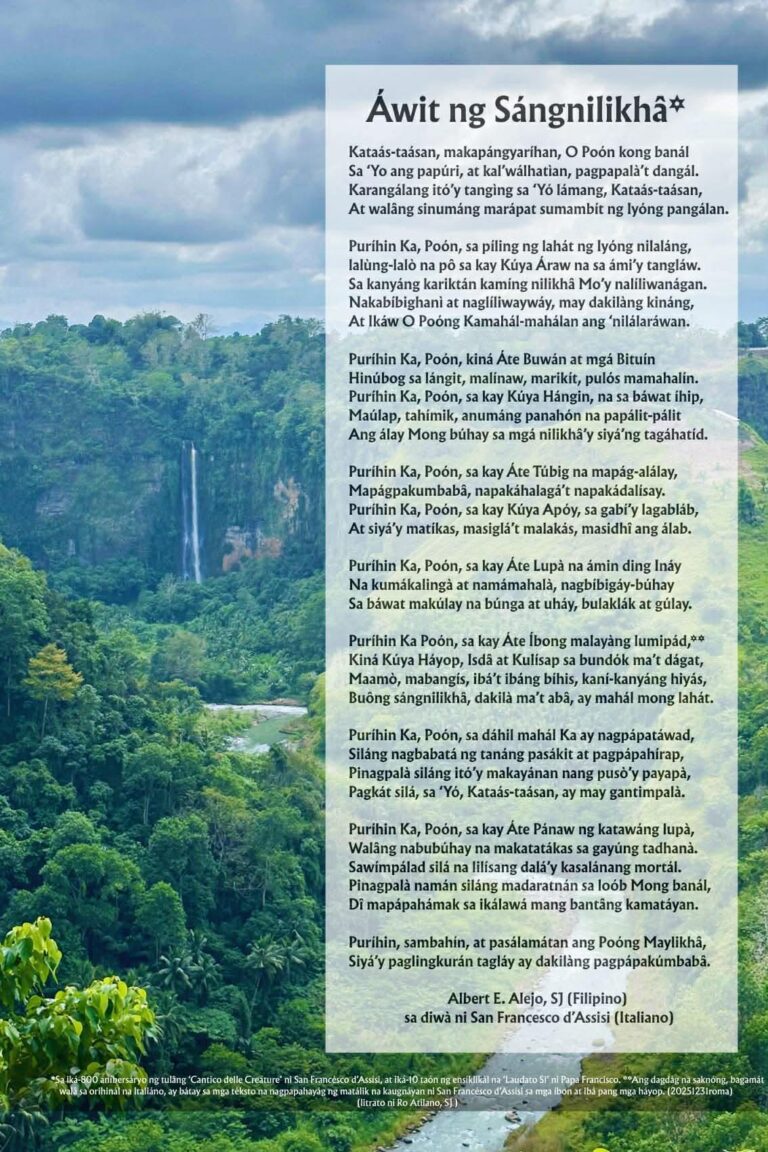
Mirador embodies an “eco-spirituality” rooted in the belief that nature reveals the presence and beauty of God. Walking through bamboo groves, rock gardens, eco-trails, and prayer paths becomes a form of spiritual exercise. The park echoes the Ignatian insight of finding God in all things and resonates with the ecological vision of Pope Francis’ Laudato Si’, where care for creation is inseparable from care for the human spirit.
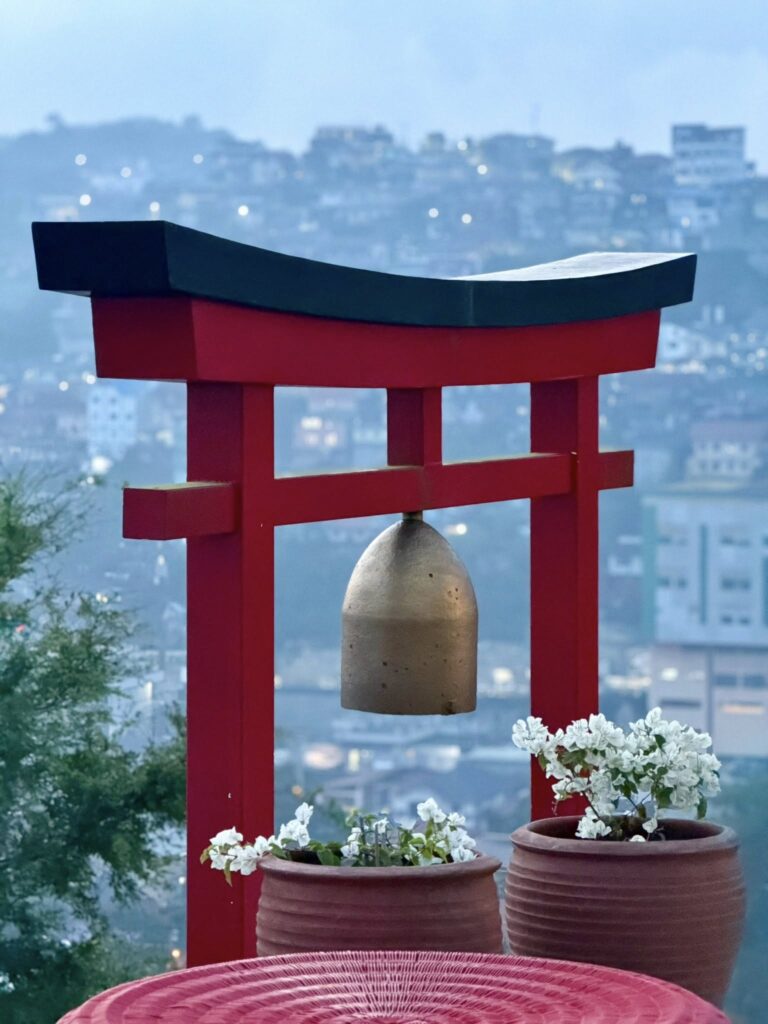
3. Heritage as Sacred Memory
The park preserves cultural and historical elements such as indigenous-inspired spaces, heritage structures, and symbolic peace and healing memorials. These are not merely aesthetic artifacts; they become reminders of collective memory, peace, gratitude, and reconciliation. The Mirador complex itself has been recognized as an Important Cultural Property by the National Museum since 2018.
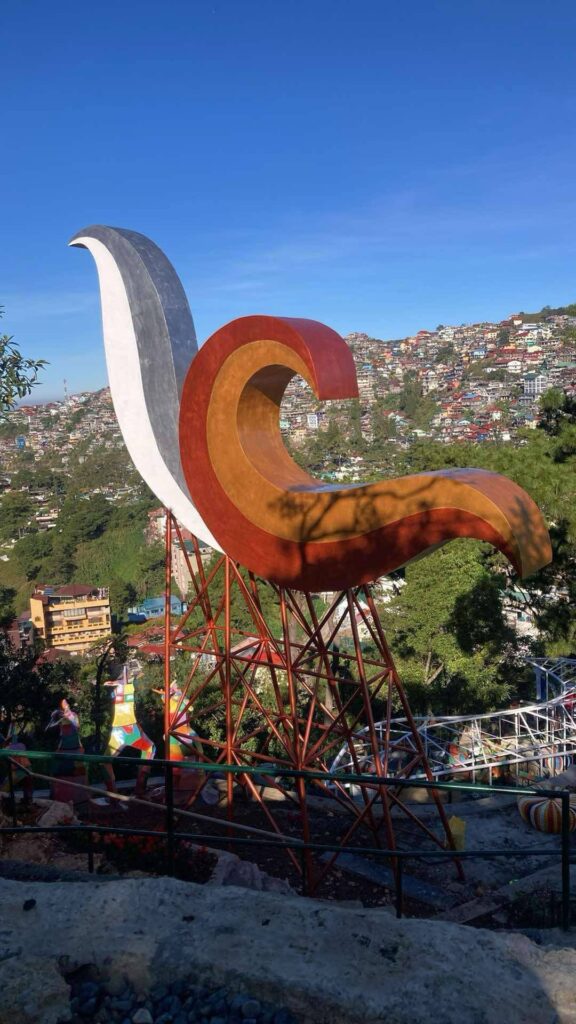
4. A Place of Healing and Reconciliation
Many areas in the park, including the peace and healing memorial gardens and quiet contemplative zones, were designed to foster healing after experiences of suffering, isolation, and social division. The peace memorials and reflective spaces transform the landscape into a spiritual environment where one can encounter hope, forgiveness, and renewal.
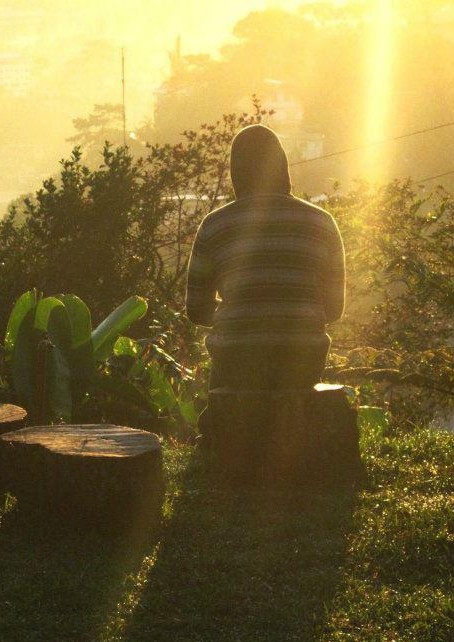
5. Silence as Sacred Practice
Unlike ordinary recreational parks, Mirador emphasizes reverence, silence, respect, and contemplative behavior. Visitors are invited to slow down, pray, and reconnect with themselves, others, and God. This atmosphere of sacred silence distinguishes the park as a modern pilgrimage sanctuary rather than simply a leisure or tourism site.
Thus, the Mirador Heritage and Eco-Spirituality Park is described as a contemporary sacred landscape — a place where ecology becomes theology, heritage becomes prayer, and nature becomes a path toward transcendence.