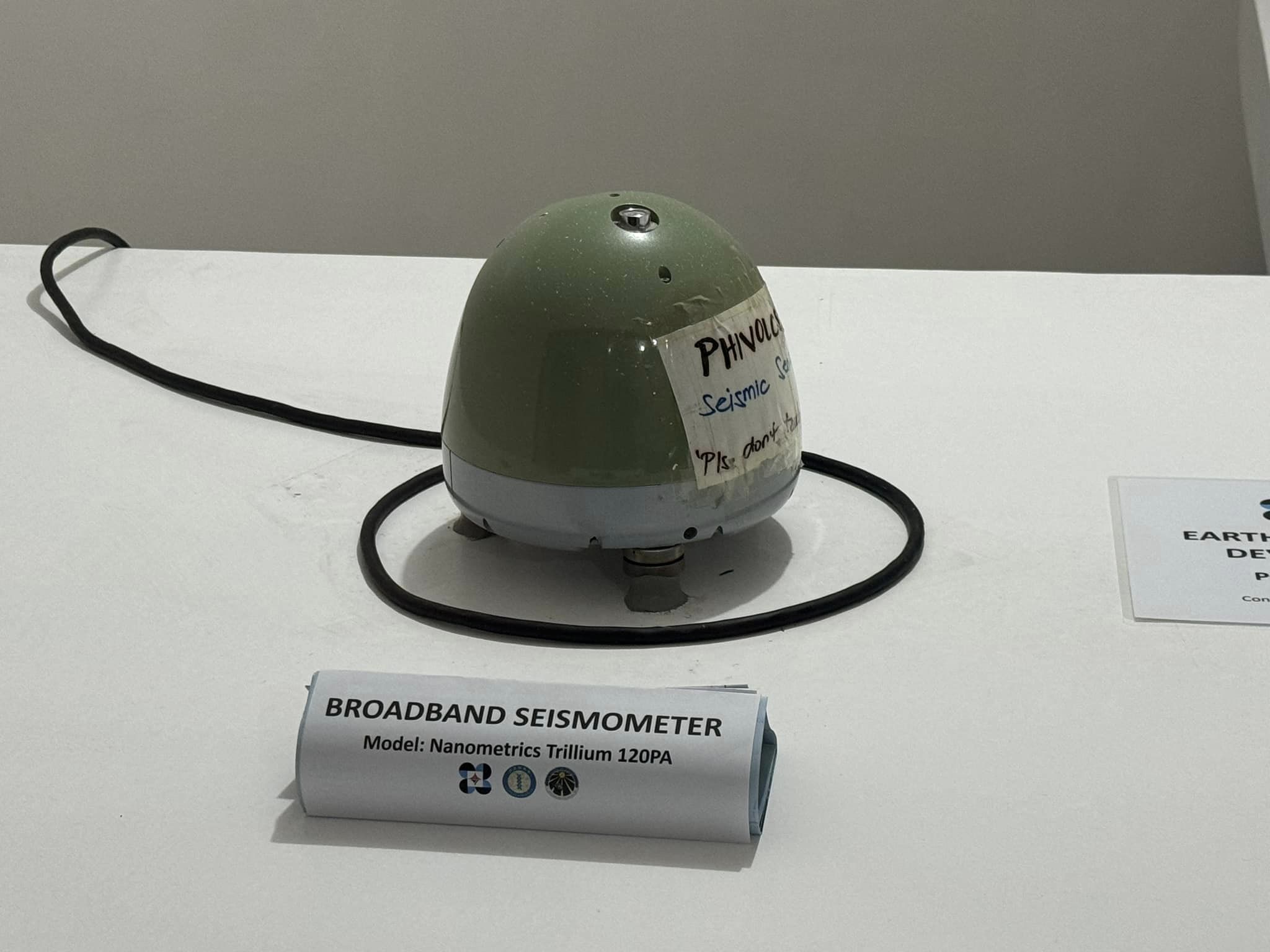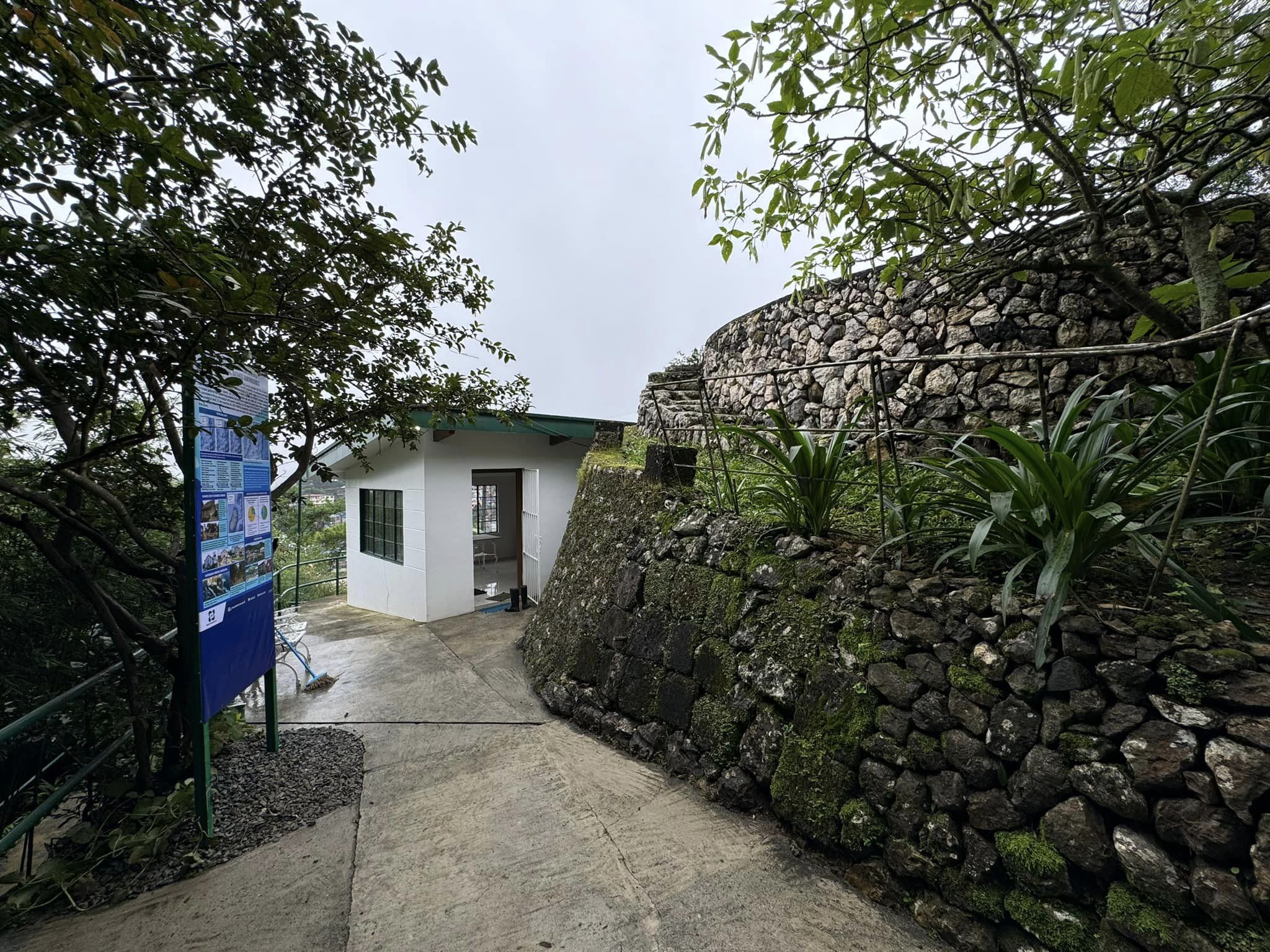
Seismometer installed
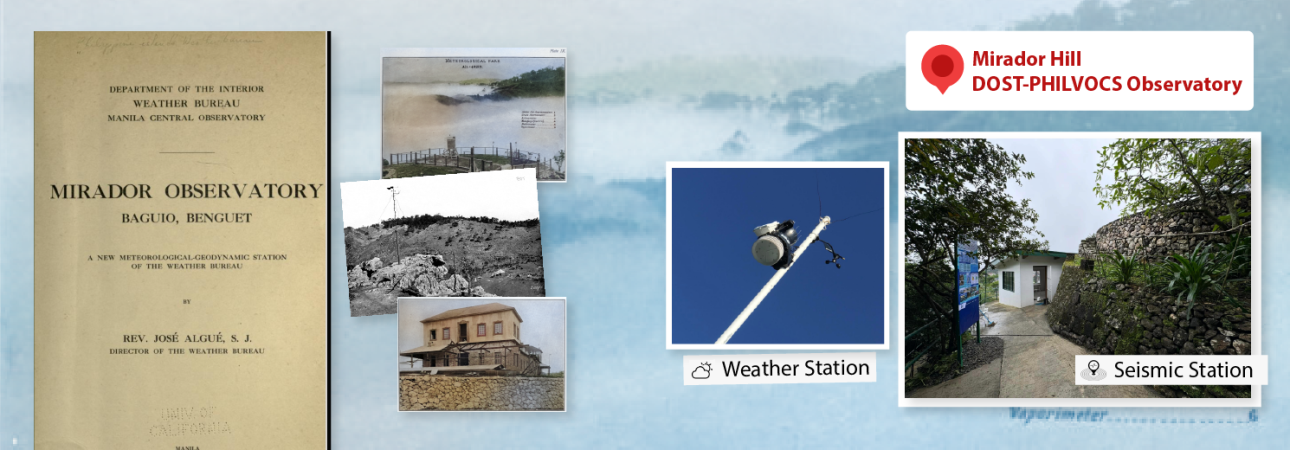
A legacy of scientific inquiry continues to thrive in Mirador. Once home to the Manila Observatory led by Jesuit scientists Fr. Federico Faura S.J., and Fr. José María Algué, S.J., Mirador, in partnership with the Manila Observatory, DOST-PHILVOCS, and Taiwan’s Academia Sinica, welcomed a new addition: The Manila Observatory-PHILVOCS Seismological Station.
Weather monitoring device
At the roof deck of what was once the Manila Observatory Meteorological Station, an advanced Vantage Pro2 weather monitoring device stands. It was installed on October 24, 2020, by Fr. Jose T. Villarin, SJ (whose PhD studies focused on Atmospheric Sciences at the Georgia Institute of Technology), and weather readings are published on weatherlink.com, as embedded in this post.

A glimpse of the past
The Manila Observatory, founded by Father Frederic Faura, S.J., in 1865, stands as a testament to scientific innovation and public service in the Philippines. Initially established to study and predict typhoons, locally known as baguios, the observatory quickly proved its worth through accurate storm predictions that saved lives and property. Father Faura’s groundbreaking work led to the development of the “Faura barometer,” which became an essential tool for navigators in Philippine waters and the China Sea. The observatory’s success and importance were recognized when it was declared an official institution by the Spanish government in Madrid in 1884, expanding its reach and influence.

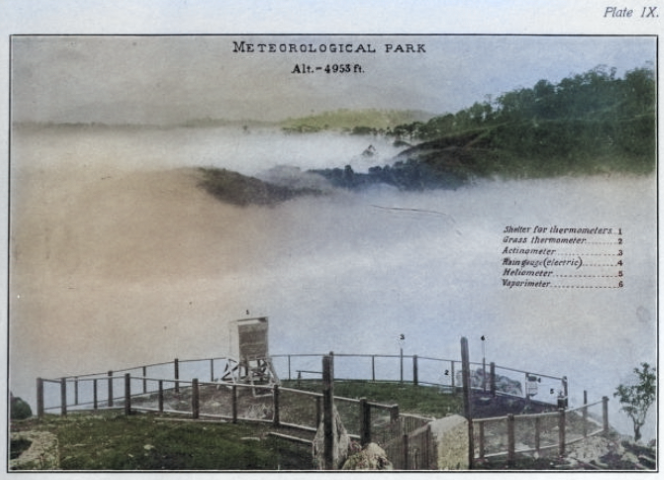
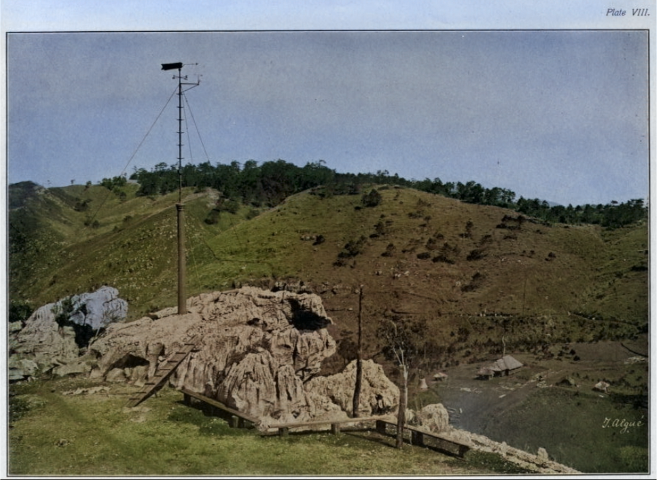
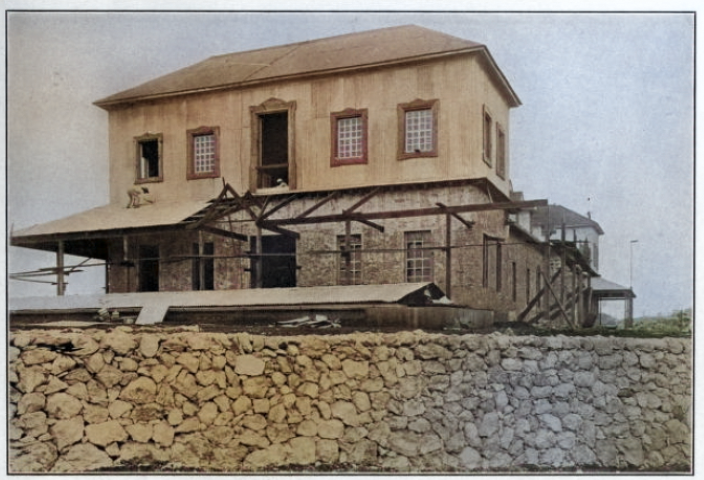
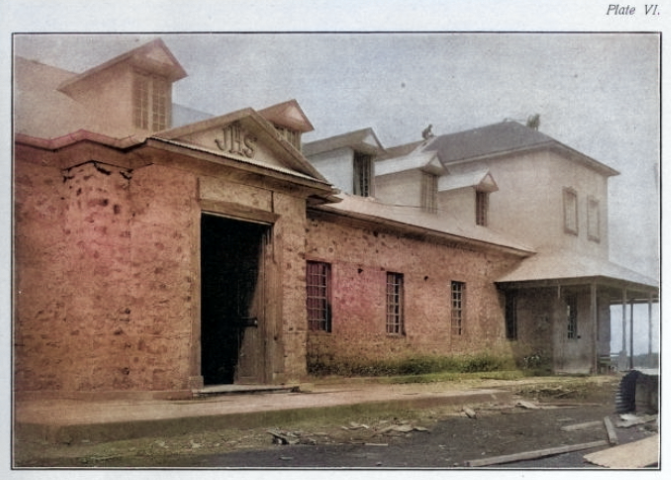
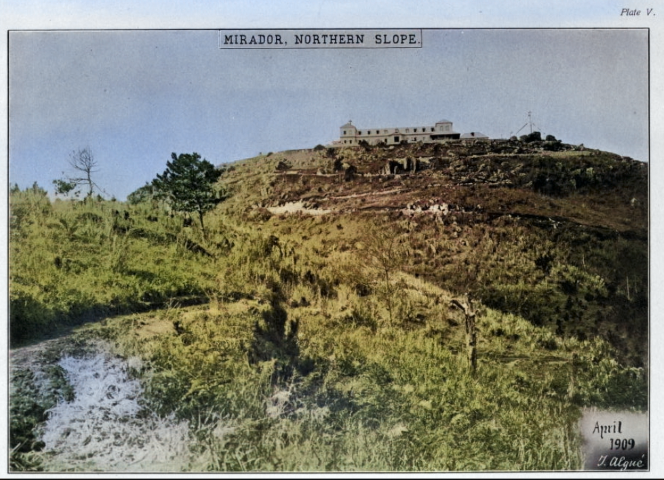
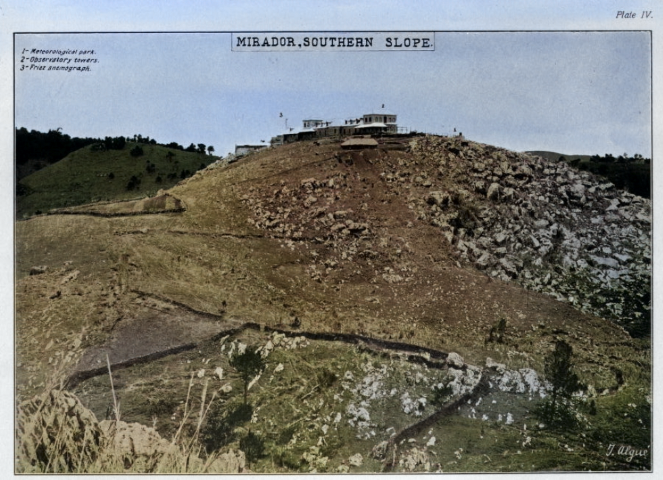
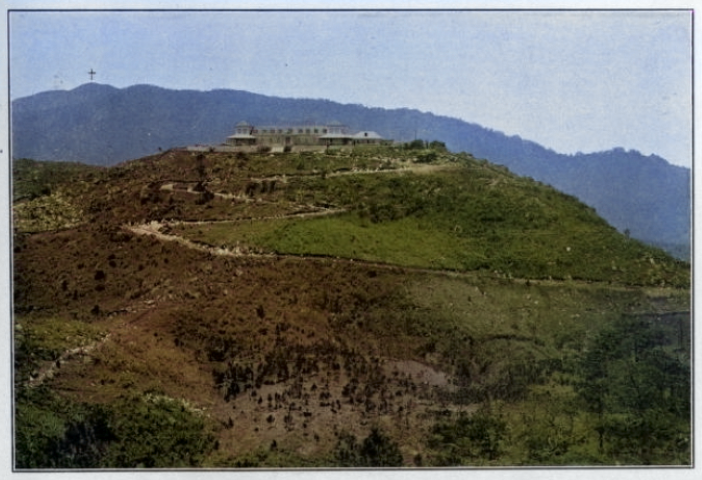

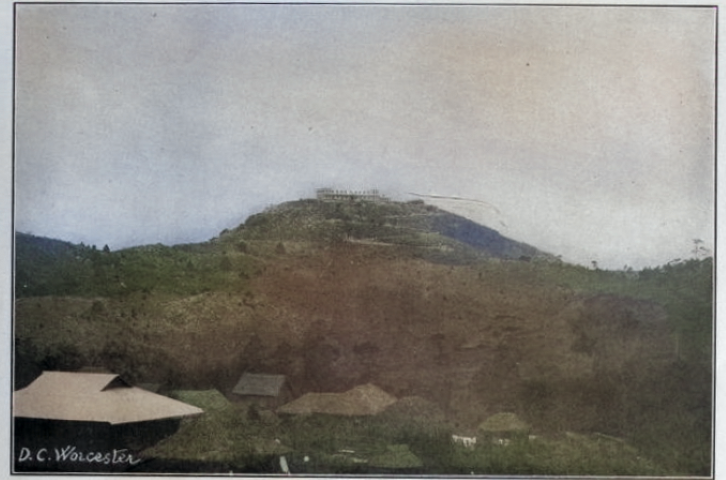
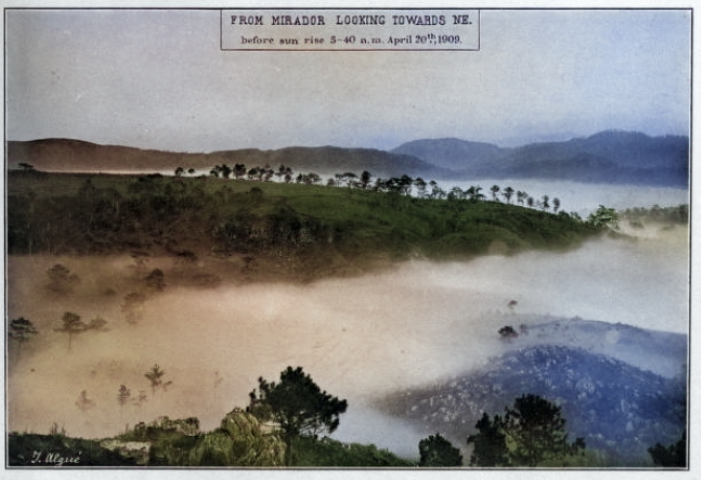

The observatory’s contributions to meteorology and atmospheric sciences extended far beyond the Philippines. It became one of sixteen observatories worldwide chosen to participate in cloud-measurement work, achieving the highest of these measurements. Under the leadership of Father Jose Algue, S.J., who succeeded Father Faura, the observatory continued to innovate, producing valuable publications such as “The Clouds in the Philippine Archipelago” and “Philippine Cyclones.” The invention of the “barocyclonometer” by Father Algue further enhanced storm prediction capabilities across the Orient. These achievements underscore the Manila Observatory’s crucial role in advancing meteorological science and protecting lives and property throughout Southeast Asia, cementing its place as a pioneering institution in the field of weather forecasting and atmospheric research.
Continuing the vision
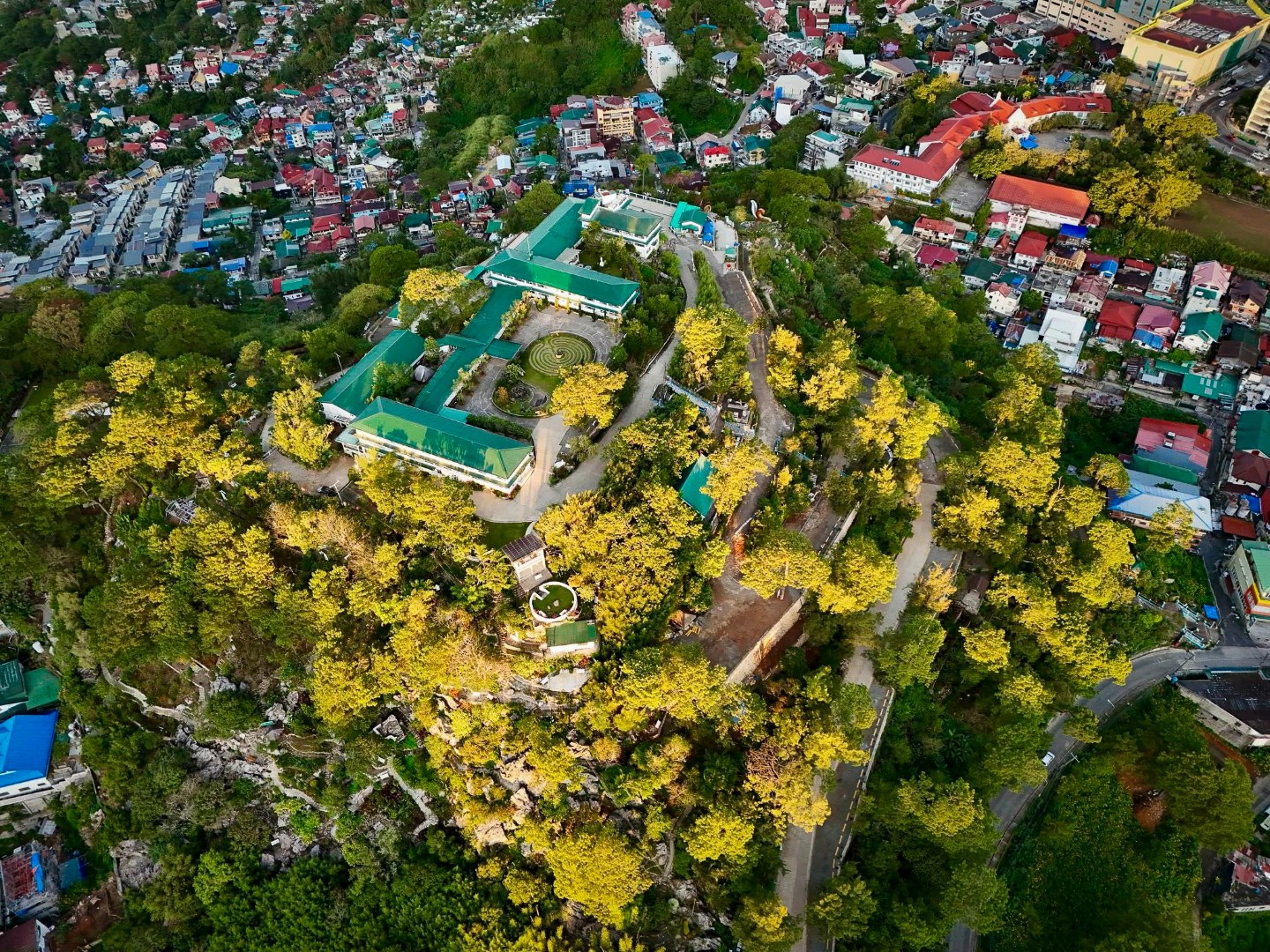
And so as Fr H. dela Costa said, Mirador is still what it was in the beginning: an observatory, a point of vantage.
… And if this House could speak, perhaps this is what it would say to you: Look out of my windows and try to extend your vision beyond the Gulf of Lingayen to all of Asia. Try to make out more clearly what God’s plan for all these peoples is, and for all those who –like yourself– seek nothing else but to be of service to man. Man–the glory of God.” – Horacio dela Costa, S.J.
Mirador stands as a testament to the enduring pursuit of knowledge and understanding of our natural world, continuing to serve as a vital “point of vantage” for scientific observation and contemplation.